Good debt vs Bad debt

Debt is often viewed negatively, but not all debt is all the same. Different types of borrowing serves different purposes, and how debt is used can make a difference just as much as the debt itself. In some cases, borrowing can be used to help support long term goals such as education, starting a business, or buying your first home. Other forms of debt may just be used as short term spending or ongoing costs. Understanding the general differences between these types of debt can help provide clearer context around how borrowing fits into broader financial decisions.
If you’re looking for a broader explanation of debt , and what it actually is, the “what is debt” guide provides a helpful overview.
This page provides general financial information for educational purposes only, not personalised advice.
The content on this website reflects financial rules and systems in England and may differ in other parts of the UK.
Understanding good debt and bad debt


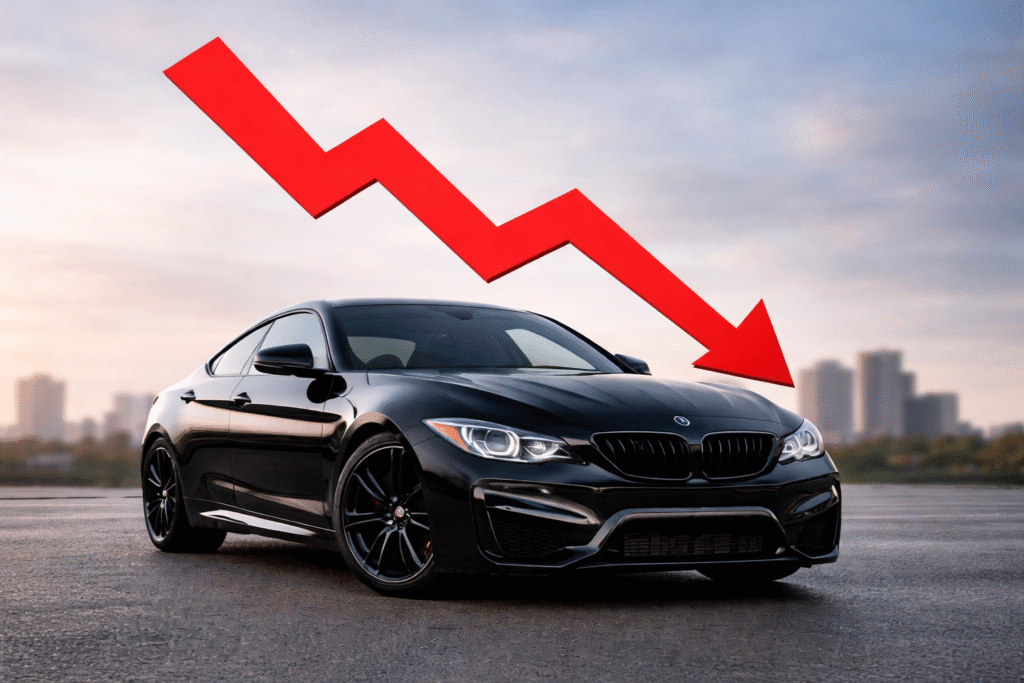
Good debt and bad debt are commonly used to describe how different types of borrowing are generally viewed, and not to be seen directly as only a positive or negative. Usually, the description is based on the purpose of the borrowing, how it is structured, and the potential long term impact it may have. Understanding the differences between them can help provide clearer context as to why some forms of debt can be seen to be as more beneficial or manageable than Ohers.
Good debt
Good debt is often related to long term goals or investments, typically linked to outcomes that may provide lasting value over time, this could include increased earning potential, access to housing or even business development.
Common examples of good debt can include:
- Mortgages to buy a home.
- Student loans, or education related borrowing.
- Business loans to support investment or growth.
- Long term loans for assets that hold value over time.
These types of borrowing are generally viewed as good due to the fact that they are often tied to future opportunities or stability, rather then short term consumption.
Bad debt
Bad debt is often used to describe examples of borrowing that is linked to short term spending or ongoing costs, especially when the borrowed money is for items that quickly lose value.
Common examples of bad debt can include:
- Payday loans.
- Borrowing too much for everyday expenses with no plan for repayments.
- purchasing non essential items that depreciate fast.
- Credit card balances with high interest.
The fact that these purchases may provide ongoing financial pressure as well as limited long term benefits, makes them generally viewed as bad debt.
Balancing both of them
The distinction between “good” and “bad” debt is not fixed and can vary widely depending on individual circumstances, priorates, and how borrowing is used. What may be viewed as bad debt in one situation could be considered more appropriate in another. For example, purchasing an older, lower cost vehicle might be seen as a sensible option for someone who drive occasionally, as it may depreciate less over time. However, for someone who’s job involves higher mileage, a newer vehicle with lower mileage and higher reliability could be viewed as more suitable, even if it depreciates quicker in value. How debt is perceived can depend on factors such as income stability, career stage, lifestyle, and personal attitude towards borrowing. Understanding this broader context helps highlight that debt is not good or bad on its own, but how it is aligned with an individuals circumstances and goals.
In theory, any debt can be good or bad. Someone who has no control with spending might consider credit card debt to be bad, especially if they’re in a position to pay back in interest, on the other hand someone who uses a credit card to their advantage by collecting points, or increasing a positive financial footprint may consider this good debt.
Planning debt for different life stages
As we have covered, debt isn’t always bad, it heavily depends on you’re life stage, income, and financial goals. Borrowing in a strategic way can help preserve wealth, and achieve milestones. The same loan taken out at a different stage of life can create financial stress, so it’s important to have an understanding on how debt can be viewed at the different stages in life.
Early career / young adult
Opportunities:
- Student loan – considered good if it helps achieve a higher paying job.
- Credit builder credit card – using in small purchases, and paid in full helps avoid interest and build up your credit score.
Risks:
- Mortgage – Taking on high mortgage payments at an earlier stage in life can be risky, especially if someone has no savings for a rainy day, or a stable source of income.
- Unsecured loans – these slightly larger loans can become bad debt if income is limited.
Mid career / establishing stability
Opportunities:
- Mortgage – stable income and a desire to build equity in a home can make this a good debt choice.
- Personal loan – from home improvements to purchasing a family car, a loan with the objective to add long term value can create a “good debt” outlook.
Risks:
- Personal loan – none essential purchases can create financial stress if already owning a mortgage.
- Credit card – over borrowing can limit savings for emergencies.
Peak career / High earning
Opportunities:
- Mortgage – strategic borrowing can help build additional wealth, such as investing in rental property, or a business.
- Personal loan – refinancing older debts with a lower interest loan can help save money.
Risks:
- Additional credit cards – living up to lifestyle inflation may cause someone to save less and spend more as they’re earning more.
- Personal loan – over leveraging money for investments can backfire if they don’t meet expectations, leaving someone financially exposed.
Retirement planning / retired
Opportunities:
- Repaying all loans off, all borrowed money will help reduce financial stress.
- A potential consolidation loan could help move multiple different loans under one umbrella can be an advantage if offered lower interest.
Risks:
- Personal loan – taking new, larger debts at this stage can be risky, especially with uncertain income.
- Any high interest loans can potentially eat into savings.