Credit cards vs Debit cards
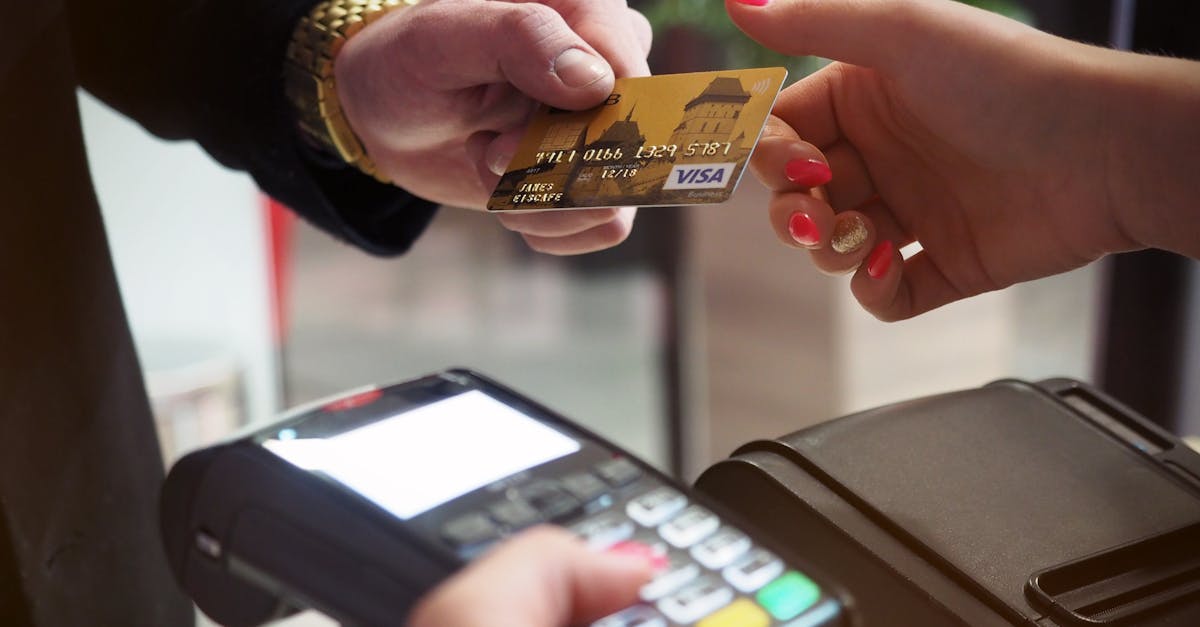
It’s easy to see why people get credit cards and debit cards mixed up. They look almost identical, they’re used in similar places, and most banks issue most as standard. With roughly 62% of UK adults owning a credit card, or having an outstanding balance, it’s important to know what they are, and how they compare with each other, and what makes them different. Although there has been a slight decline in credit card usage in the last few years, I will explain why people are backing away from them, but also what makes them desirable.
This page provides general financial information for educational purposes only, not personalised advice.
The content on this website reflects financial rules and systems in England and may differ in other parts of the UK.
Debit cards
What are they?
A debit card is one of the most common and straight forward ways to pay for everyday purchases. It’s linked directly to your bank account, meaning you can only spend the money you already have. In the UK, most people get a debit card from the age of 11, when opening a youth bank account – making it many peoples first real step into managing money properly.
Debit cards can be used in a variety of convenient ways: you can pay using your pin, make contactless payments, or even use your phone or smart watch through digital wallets (thank you technology!) Because the card draws from your own account, you stay in full control of your spending and avoid building debt. Many current accounts offer interest on the money you keep in your balance, helping your money grow slowly in the background.
Overall debit cards are simple, safe, and ideal for everyday use. they give you an easy way to manage your spending while helping you build good financial habits from an early age.
| Advantages | Disadvantages |
|---|---|
| Helps you avoid debt — you only spend your own money. | Limited fraud protection compared to credit cards. |
| Easy to manage day-to-day spending. | Does not help build your credit score. |
| Instant payments and transfers. | Some banks may charge overdraft fees. |
| Widely accepted in stores, online, and for mobile payments. | If stolen, money leaves your account instantly. |
| May earn interest depending on the account. | Spending limits tied to your balance. |
Summary
While debit cards don’t offer the same protection or benefits as a credit card does, they still remain a great choice for day to day spending, budgeting, and learning how to manage money properly. As this is usually the first step into the financial world, understanding a debit card can help build smarter financial habits.
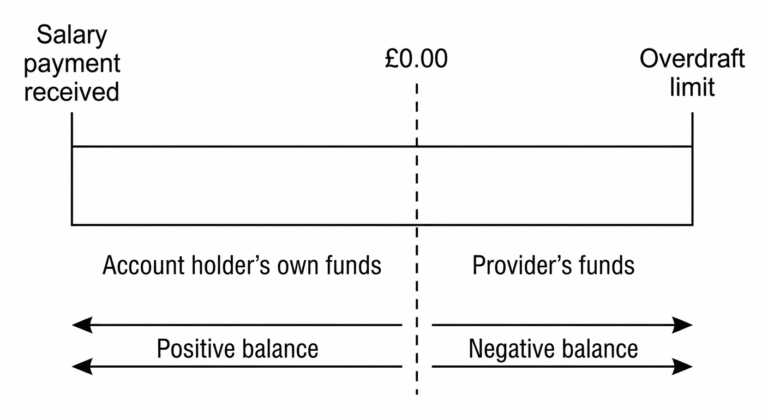
If financially responsible, you may be eligible for an overdraft facility. Essentially, this allows you to spend more money then you currently have in your account. It’s more of a short term buffer offered by your bank. An arranged overdraft (where you agree a limit in advance) is helpful for short term credit, possibly emergency payments. Banks will typically charge interest or fees for using it. it’s not free money, like a credit card, you must repay it back. An unarranged overdraft (when you go over your balance without permission) can become even more costly. This safety net is not to be used regularly.
Credit cards
What are they?
A credit card is a payment card that allows you to borrow money from a lender, usually a bank, to pay for goods and services. instead of using your own money straight away, like a debit card, you’re using the banks money temporarily. You then repay what you have spent. These repayments can be in full, or over a period of time.
Credit cards come with a credit limit, which is the maximum amount you’re allowed to borrow. This limit is personalised based on factors like your income, credit history, and financial behaviour. Every month you receive a statement that shows how much you have spent and the minimum amount you must repay.
Paying the balance in full results in no interest being charged. If you only pay the minimum, interest will be added, most cards sit at about 20%-35% APR
These cards offer strong fraud protection, allow you to build your credit score, and can sometimes (depending on the credit card) earn rewards and cashback. These cards work in the same was as a debit card with contactless, mobile payments, or chip and pin.
These cards carry responsibility. When used correctly, it becomes a powerful tool and can even help with emergency payments, travel protection, and establishing a strong financial reputation.
| Advantages | Disadvantages |
|---|---|
| Builds your credit score when used responsibly. | High interest rates if you carry a balance. |
| Offers strong fraud protection (e.g., Section 75 in the UK). | Can encourage overspending due to easy borrowing. |
| Rewards, cashback, and travel points available on many cards. | Missing payments damages your credit score. |
| Helps spread the cost of large purchases over time. | Some cards have annual fees or hidden charges. |
| Useful for emergencies when cash isn’t available. | Going over your limit may trigger penalty fees. |
Summary
Credit cards often get a bad reputation. Many people see them as risky, debt traps, or as dangerous compared to a debit card. Yes, misusing a credit card can cause financial stress, however, using a credit card correctly can offer far more advantages then disadvantages. Credit cards lead with building credit, earning rewards and giving extra protection (under the section 75 of the consumer credit act 1974)
Many people are comparing credit cards with services like Klarna or alternative “buy now, pay later” options. In the moment, Klarna may feel like an easier, more flexible option, but credit cards generally keep that stronger protection, clearer regulation and ability to build credit.
There are multiple credit cards available to apply for:
Cash back cards – gives you money back on everyday spending.
Reward cards – earn points, vouchers, shopping rewards, or air miles.
0% introductory cards – offer interest free spending or balance transfers for a set period.
Credit builder – helping those with low or no credit history improve their score.
Platinum or premium cards – includes travel perks, insurance benefits and lounge accesses.
Travel cards – offer low or no foreign transaction fees with on holiday and extra protection aboard.
Choosing what works best for you
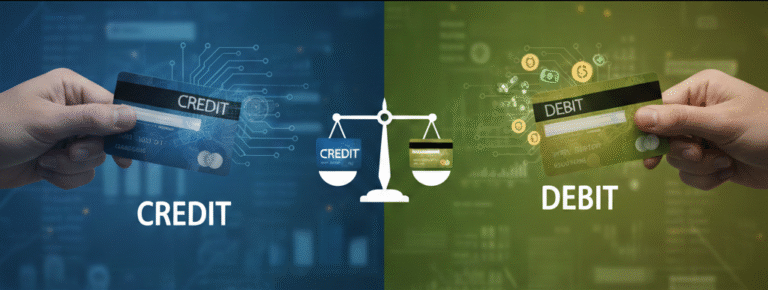
Choosing between a credit card and debit card isn’t about which one is better, it’s about which one is more suited with your confidence with spending, financial habits, and comfort level when it comes to managing money. Debit cards keep things simple by limiting you to what you can spend, while credit cards have more flexibility, protection, and long term benefits when used responsibly.
Both are powerful tools in your everyday life, and understanding how they work puts you in control of your own finances.
Your credit score affects borrowing power, interest rates, and even access to some of the best financial products available – so find out more about what a credit score is below.